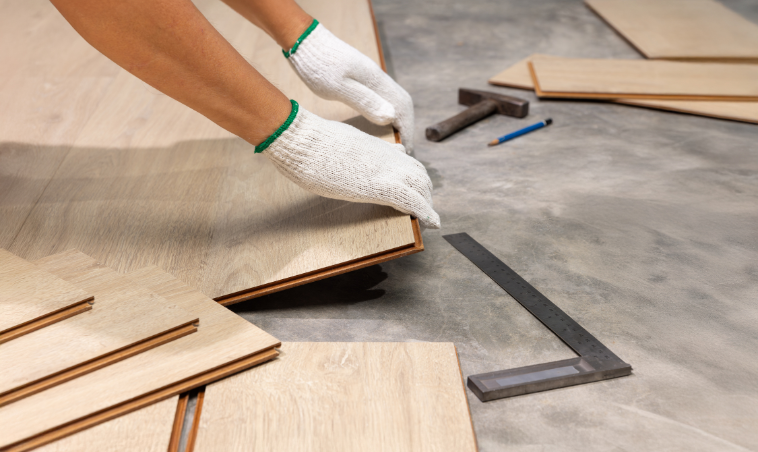
A renovation brings a refreshing transformation to any home or commercial space. New flooring, fresh paint, upgraded fixtures, enhanced design, and improved functionality can make your surroundings feel renewed and inspiring. However, once the construction team leaves, the real challenge begins. Dust, debris, paint droplets, chemical residue, sharp particles, and hidden contaminants remain behind long after the work is completed. This is why one of the most critical steps before moving back in is deep cleaning after renovation.
Post-renovation cleaning is not as simple as sweeping floors or wiping furniture. It demands careful planning, the right equipment, safe cleaning practices, and attention to health hazards. Without proper safety precautions, cleaning up after construction can pose risks. This article explains the most important safety measures to follow to ensure your space becomes as safe and clean as it looks.
Renovation projects generate different types of mess and contaminants. Some are visible, while others are microscopic and harmful if inhaled or touched. Safety is necessary because:
• Construction dust contains silica, cement particles, and wood fibers
• Nails, screws, and broken tile pieces can cause injuries
• Paint and adhesive fumes irritate the lungs
• Fine particles settle into AC vents and circulate throughout the space
• Powder-like debris can trigger allergies and breathing issues
• Newly installed materials may release volatile organic compounds (VOCs)
Performing deep cleaning after renovation ensures that these hazards are fully removed before the space is used again.
Before beginning any cleaning task, protecting yourself is essential. Wear PPE that shields you from dust and chemicals. Essential safety gear includes:
• High-quality dust mask or respirator to prevent breathing issues
• Thick rubber or nitrile gloves to protect hands from sharp edges and harsh detergents
• Safety goggles to prevent dust or splinters from entering the eyes
• Closed footwear with good grip to avoid slipping and protect from nails or debris
• A long-sleeved outfit that covers the skin completely
If strong chemical cleaners are being used, ensure proper ventilation to reduce exposure to fumes.
Large debris such as wood scraps, broken tiles, plastic coverings, and leftover materials should be cleared before any detailed cleaning begins. This makes the environment safer to move around and prevents accidental injuries.
Use appropriate tools such as dustpans, brooms, or trolleys for heavy waste. Avoid collecting debris barehanded. Dispose of hazardous materials responsibly based on local municipal guidelines.
Dust from renovations tends to settle everywhere, including high and hidden regions like ceiling corners, fans, AC vents, shelves, and cabinet tops. Always begin from the top and gradually clean downward. This avoids double work and ensures dust does not resettle on cleaned floors.
Use long-reach dusting tools, microfiber cloths, and HEPA vacuum extensions for ceilings and vents. Take your time because a large amount of invisible debris collects in elevated spaces.
Tools designed for professional cleaning are essential for post-renovation cleanup. Household tools might only spread dust around instead of removing it entirely.
Recommended equipment includes:
• HEPA-filter vacuum cleaners that trap allergens
• Steam machines to disinfect without chemicals
• Industrial-grade floor polishers for heavy dust settling
• Mild but effective cleaning solutions suitable for new surfaces
• Multiple microfiber cloths that trap dust instead of scattering it
Using the right supplies reduces health risks and protects newly installed materials from damage.
Renovations often involve paints, adhesives, varnishes, and sealants that continue to release fumes for several days. Ensure cross-ventilation by opening windows and allowing fresh air to circulate. Exhaust fans can help clear fumes from enclosed areas.
Good ventilation is especially important in bedrooms, bathrooms, and kitchens where moisture and residue can cause mould growth if ignored.
Water-related areas like kitchens and bathrooms attract dust that can clog drains or stick to tiles, grout, and sinks. Newly fitted fixtures may look shiny but still contain residue inside corners. Scrub and disinfect thoroughly to remove microbes and grime.
Check drainage systems to avoid plumbing blockages caused by construction sediment.
Curtains, sofa fabrics, cushions, carpets, and doormats absorb dust rapidly after a renovation. They must be vacuumed and washed properly before usage. If strong odors remain, consider steam cleaning for sanitisation.
Air conditioning units and ventilation systems should also be cleaned. Their filters trap fine particles that then spread throughout the home once the AC is turned on. Cleaning vents and filters plays a huge role in improving indoor air quality.
Some cleaning solutions can release harsh fumes that are dangerous for children, pets, and seniors. Try using low-odor, skin-friendly cleaners whenever possible. Keep all cleaning products away from kids’ reach.
If anyone in the household has asthma or severe allergies, it is best to stay elsewhere until cleaning is thoroughly completed. Never rush moving back into a newly renovated area before confirming that dust, fumes, and allergens have been fully removed.
During renovation work, screws, nails, small glass shards, or wood splinters can remain trapped in hidden corners or along door frames. Wear gloves and inspect every area carefully. Even one missed object can cause cuts or injuries later.
Proper inspection also helps you ensure that all installation work was completed correctly and no safety hazards remain.
After-renovation cleaning is more demanding than regular housekeeping. It requires time, effort, stamina, and technical skills. This is why many homeowners choose to schedule deep cleaning after renovation with experienced cleaning companies.
Professionals bring expert knowledge about newly polished floors, painted walls, and furnished surfaces. They also use specialised machines that remove fine dust from corners and improve indoor air quality immediately. With trained personnel handling the job, you save hours of heavy work and avoid injuries related to dust and debris.
Hiring professional deep cleaning after renovation also ensures faster completion without compromising safety or quality. They take care of everything from garbage removal to sanitisation, leaving you with a fresh, safe, move-in-ready space.
A renovation is exciting, but the cleaning that follows is crucial. Without proper safety measures, post-renovation cleaning can expose your household to allergens, chemical exposure, accidents, and long-term health problems. Preparing with the right tools, protective gear, and ventilation ensures the cleanup is safe and effective.
Whenever possible, rely on trained professionals to handle the heavy cleaning. With deep cleaning after renovation, you can protect your investment and enjoy your beautiful new space confidently. Take every safety measure seriously so that your renovated home not only looks stunning but also supports a healthy living environment from day one.